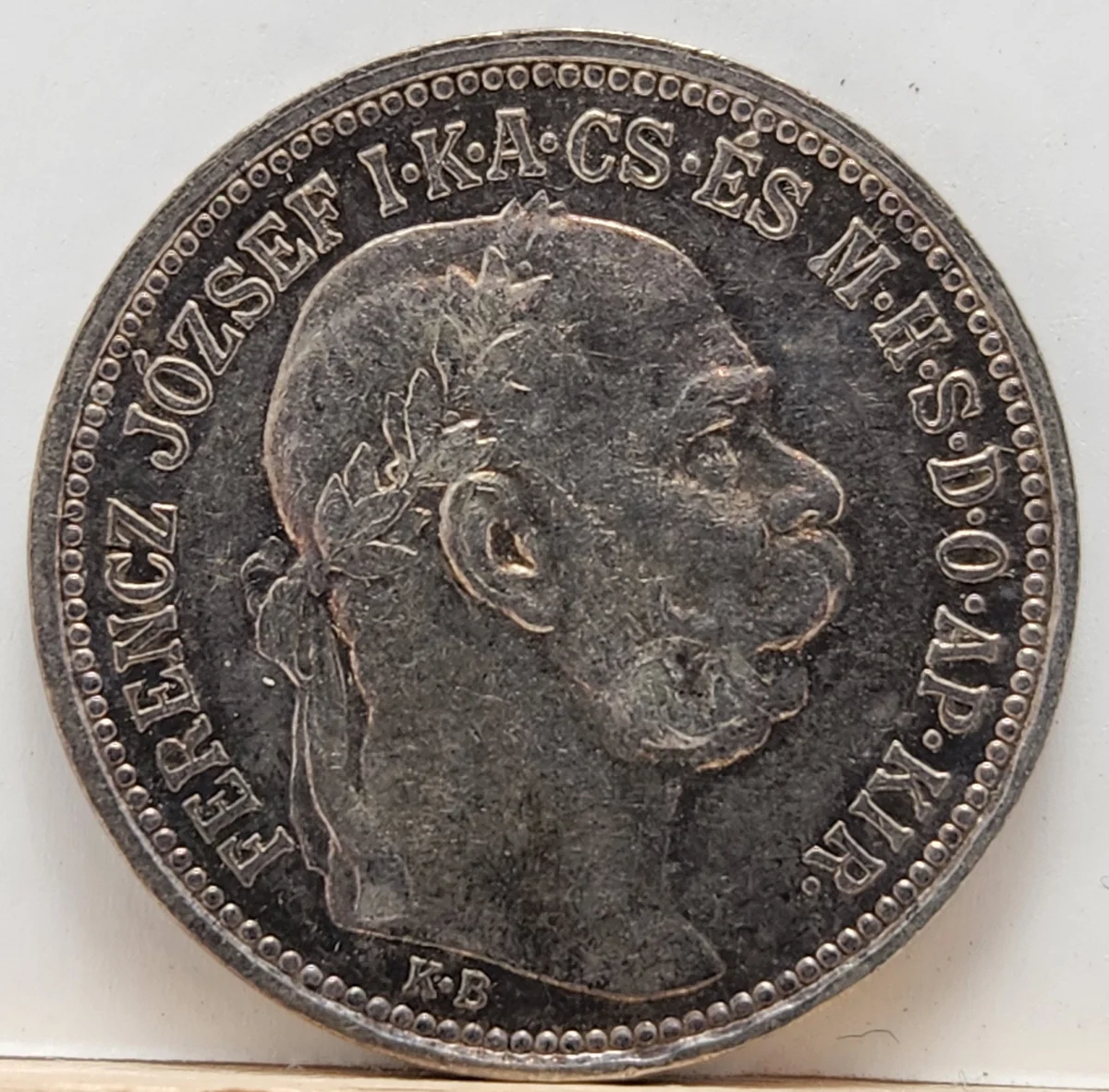
Silver, bronze and brass from a century of empires
Coin Master
Coins that passed through the hands of Austro-Hungarian shopkeepers, Soviet workers and the first citizens of Israel, alongside the tokens that once paid for a bus ride or a phone call.
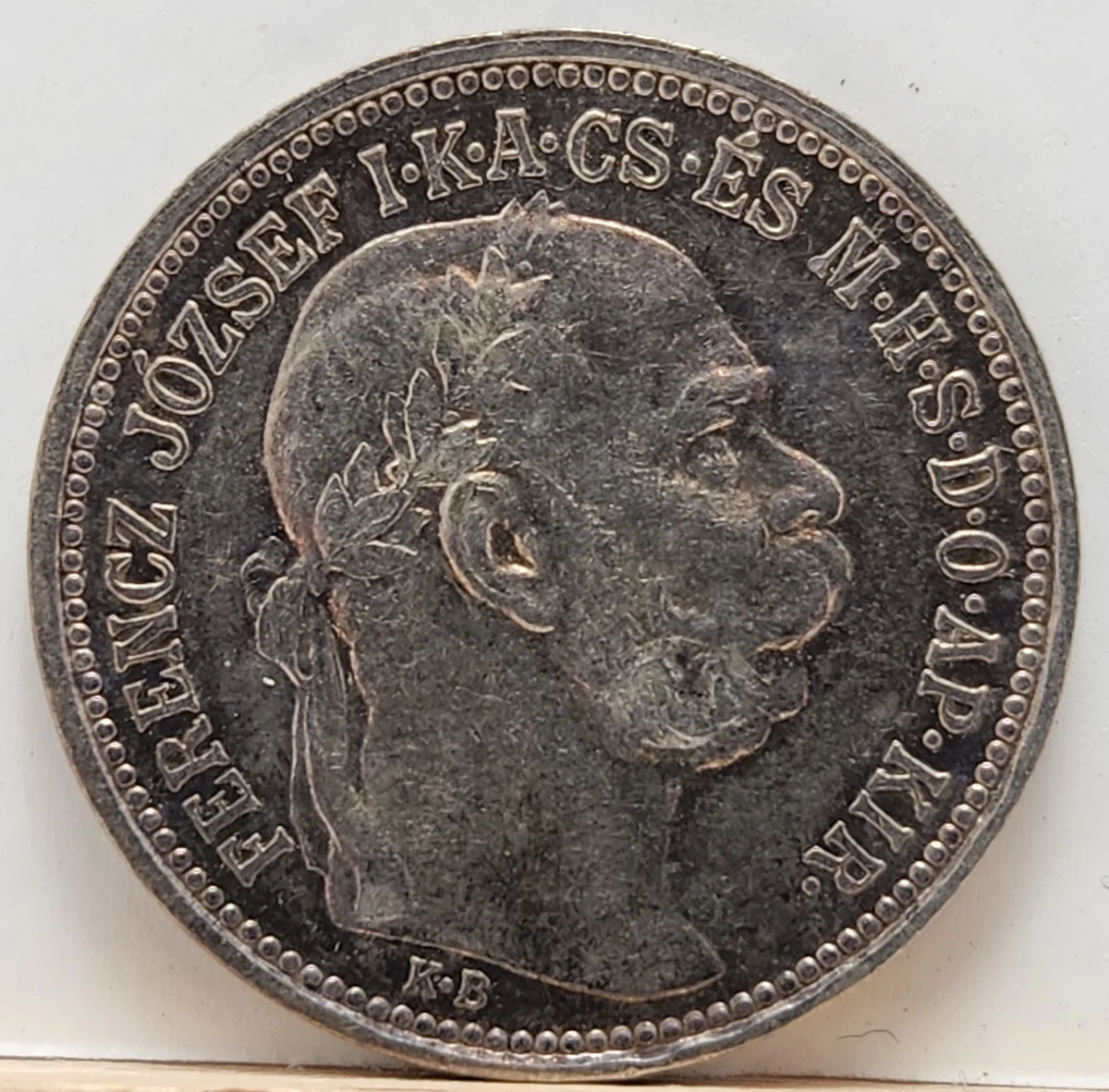
- Galleries
- 2
- Objects on view
- 26
- Collecting since
- 1994
- Last updated
- Oct 2026
All galleries
- CM-001
- CM-002
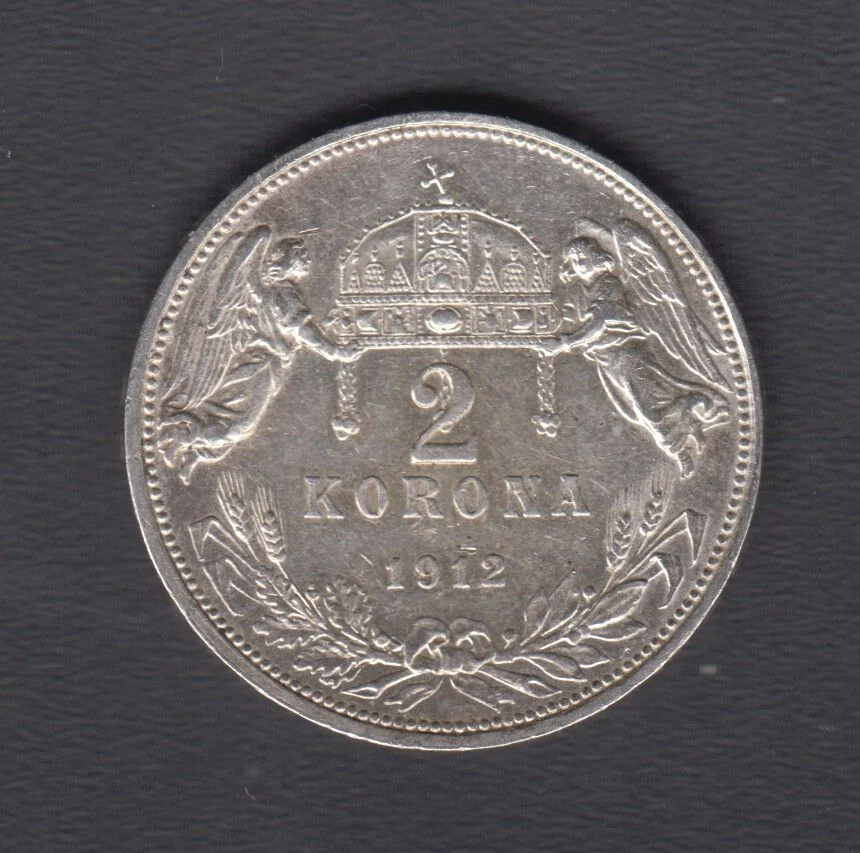
- CM-003
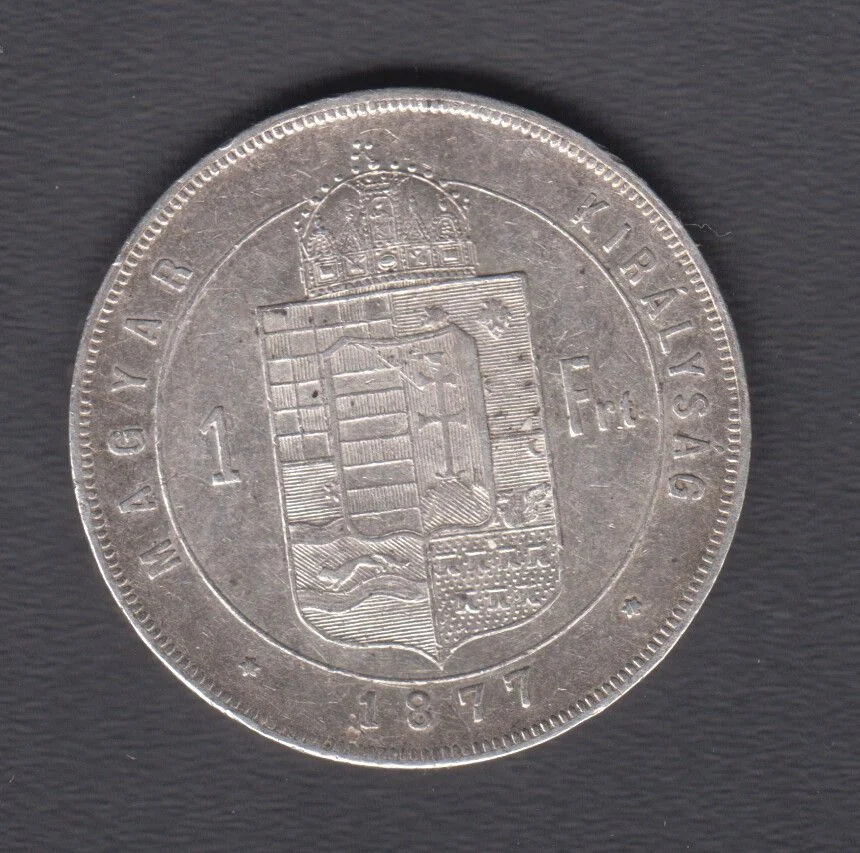 Coins · 1877
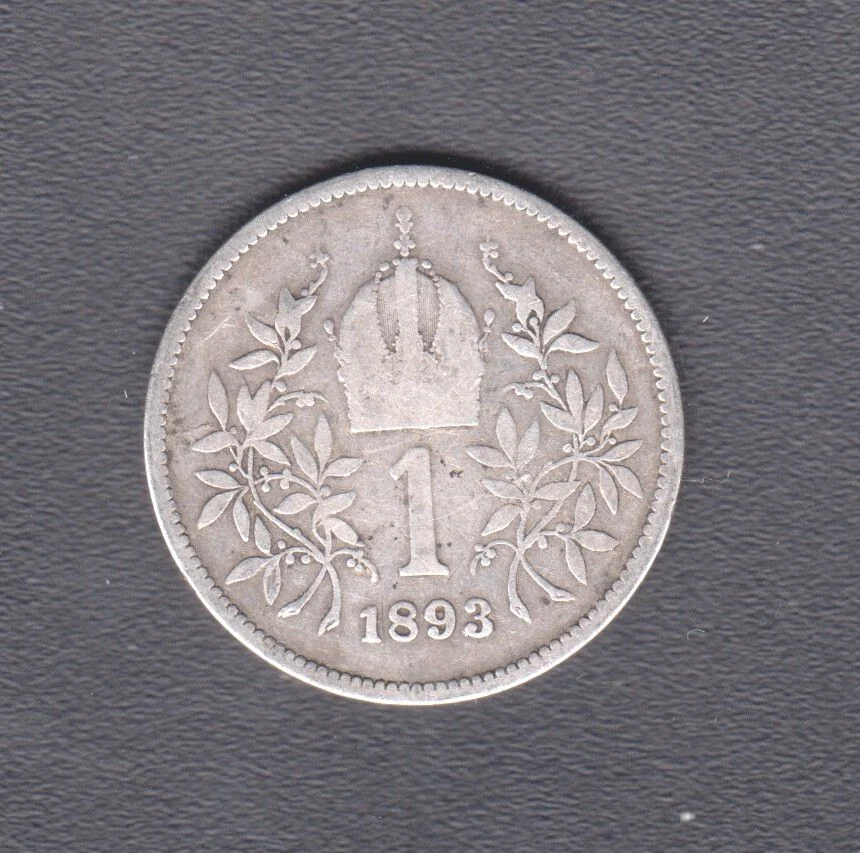
Hungary 1 forint, 1877
The crowned Hungarian arms, with a young Franz Joseph on the reverse.
- CM-004
- CM-005
 Coins · 1927
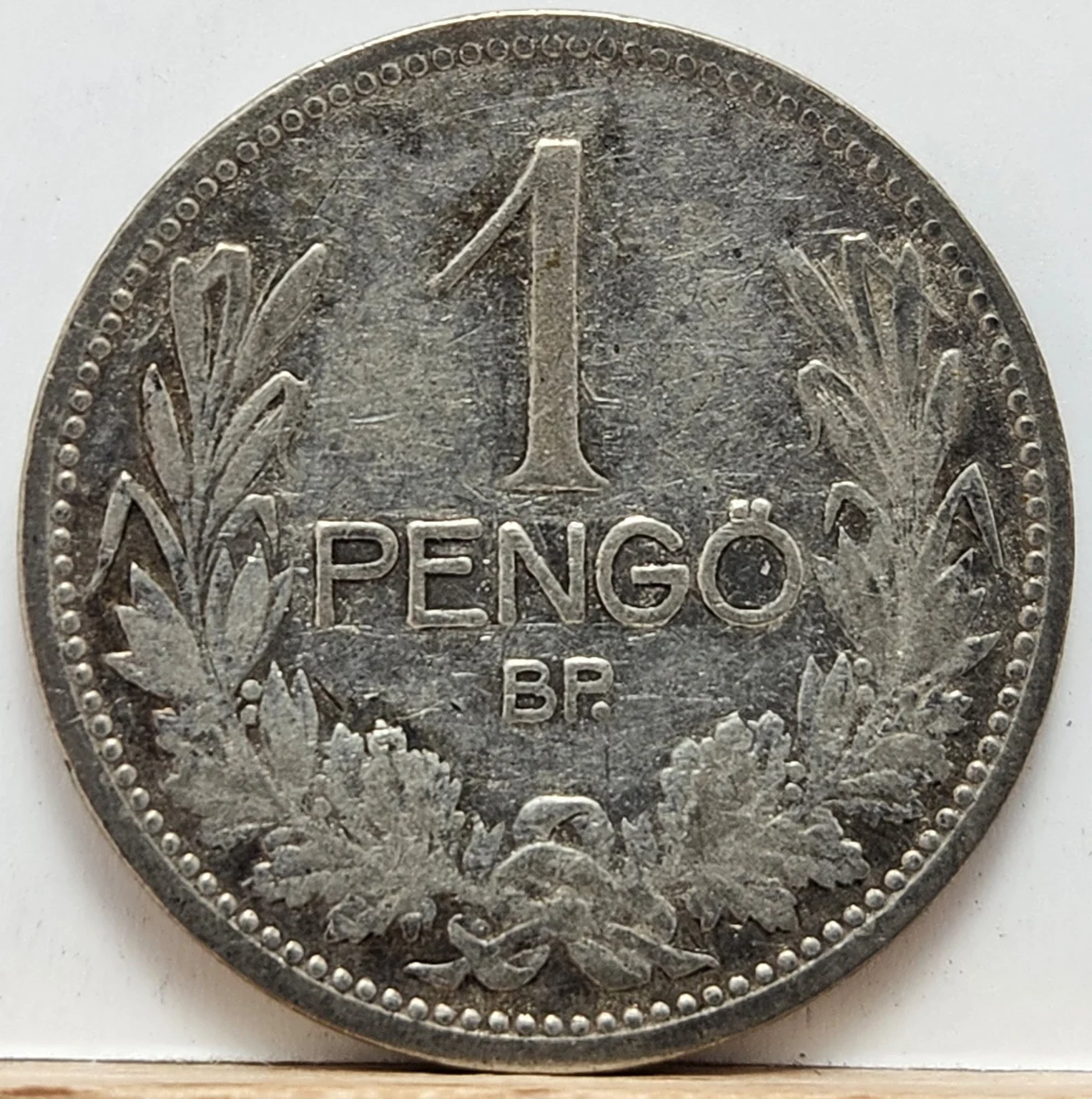
Hungary 1 pengő, 1927
The first year of the pengő, Hungary's answer to post-war inflation.
- CM-006
- CM-007
 Coins · 1934
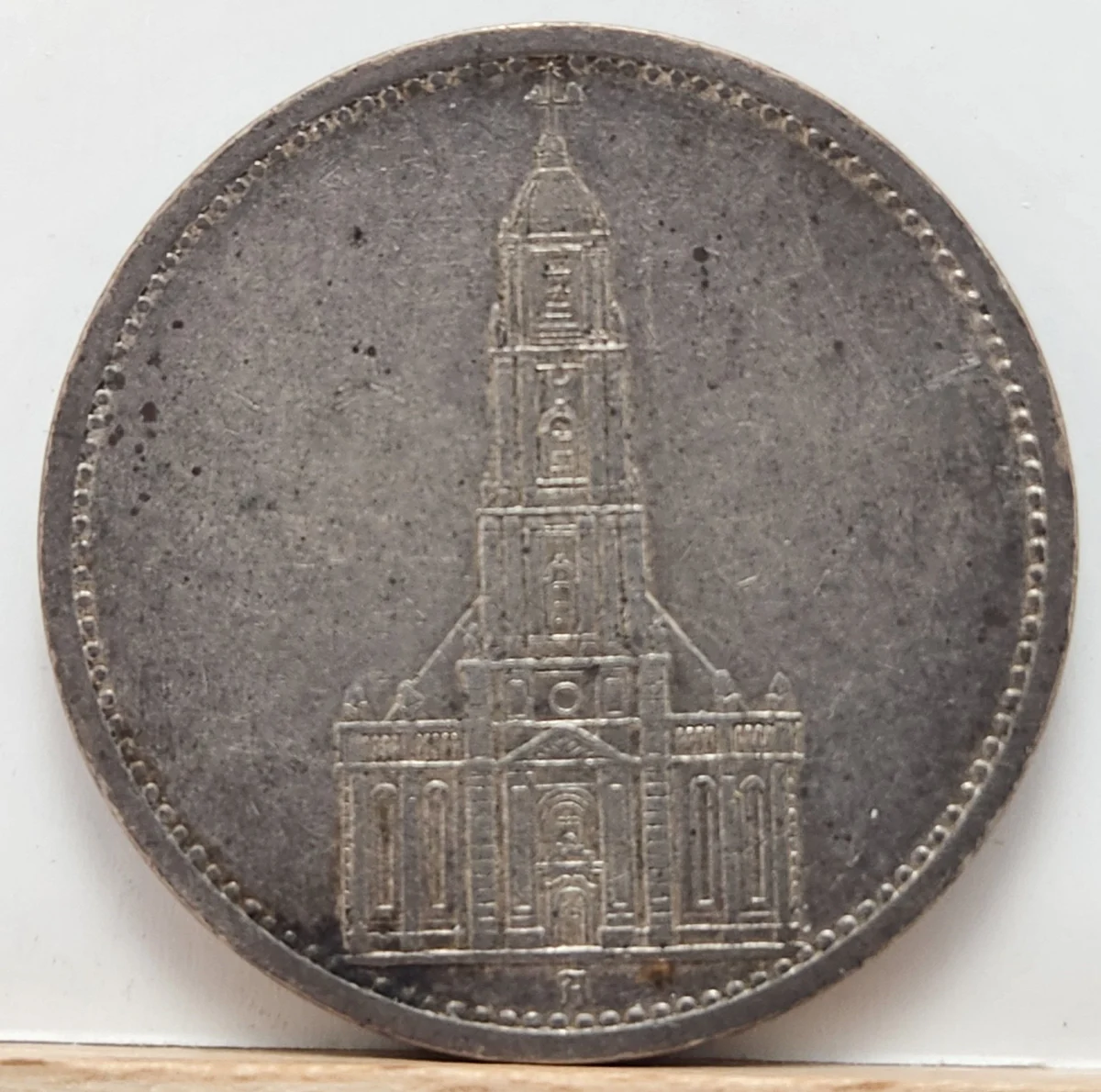
Germany 5 Reichsmark, 1934, Garrison Church
The Potsdam Garrison Church, dated 21 March 1933.
- CM-008
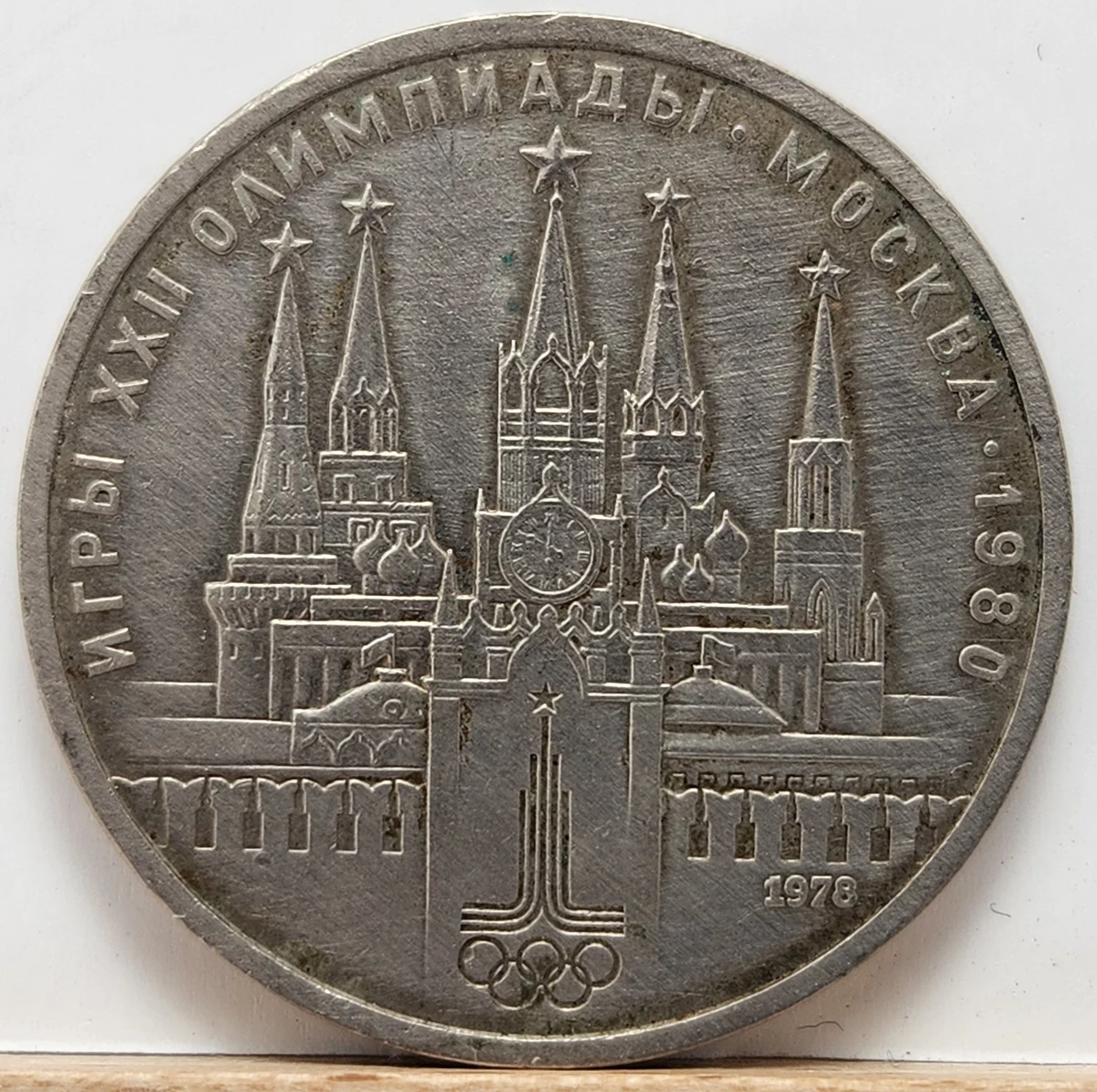
- CM-009
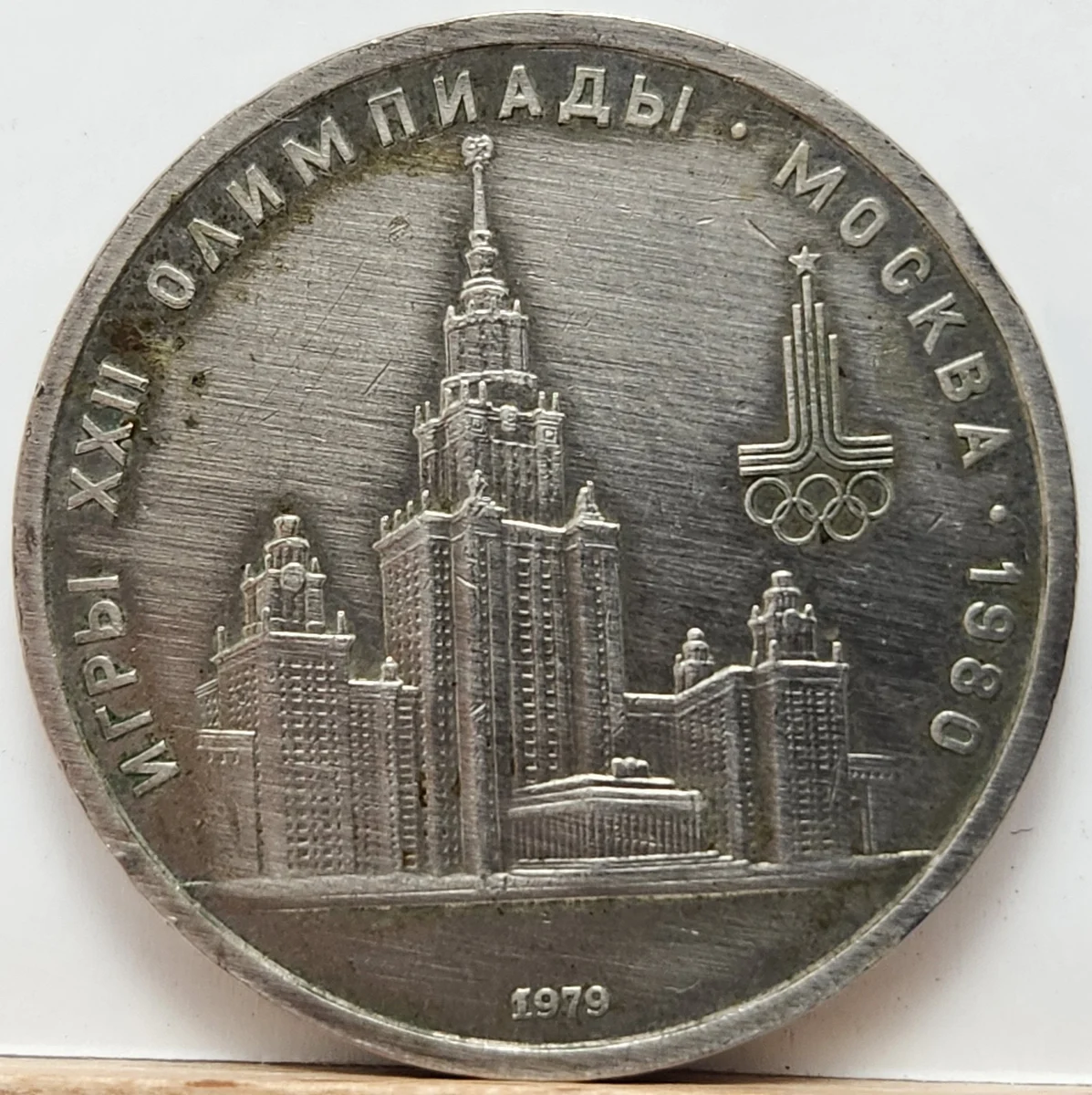 Coins · 1979
USSR 1 ruble, Moscow Olympics (University), 1979
Moscow State University's main building and the Olympic emblem.
- CM-010
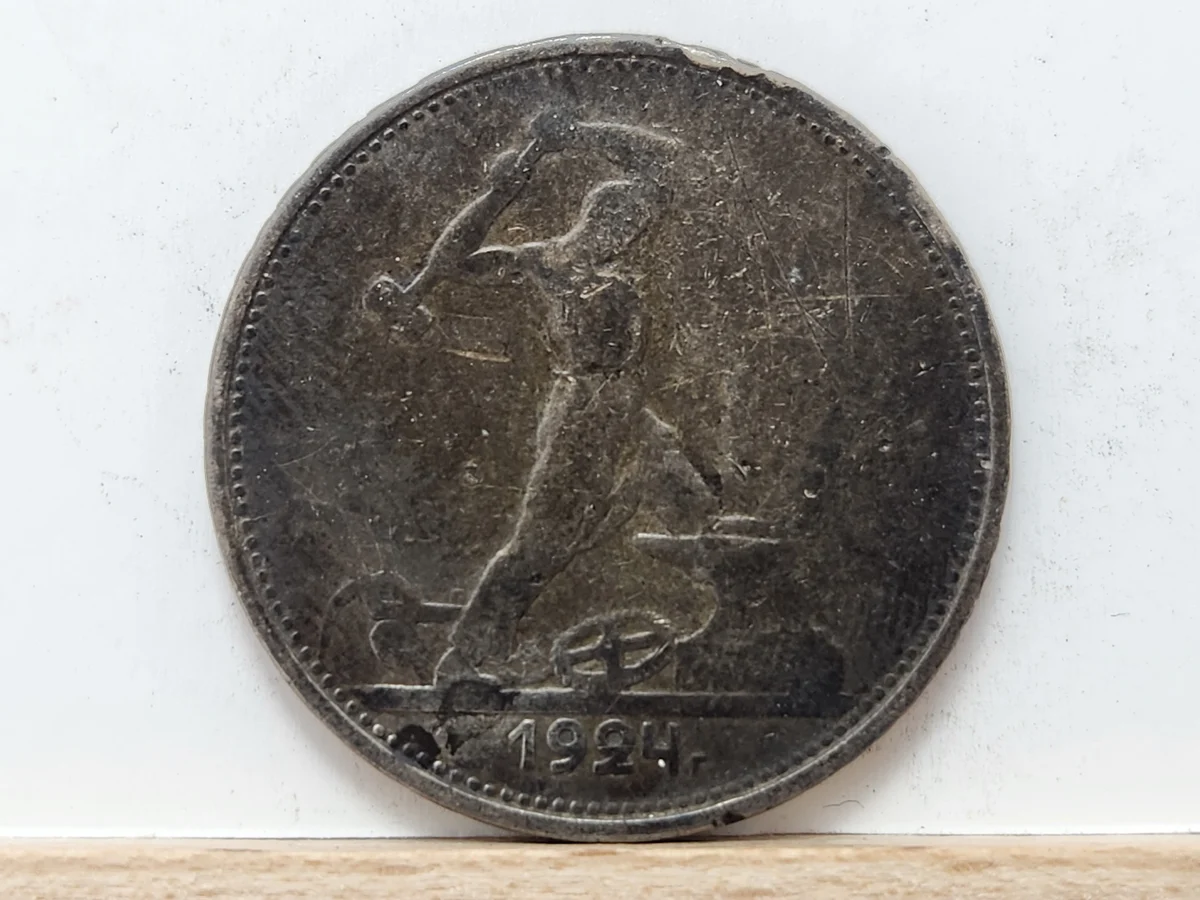 Coins · 1924
USSR 50 kopecks (poltinnik), 1924
A blacksmith at the anvil, the image of the new Soviet worker.
- CM-011
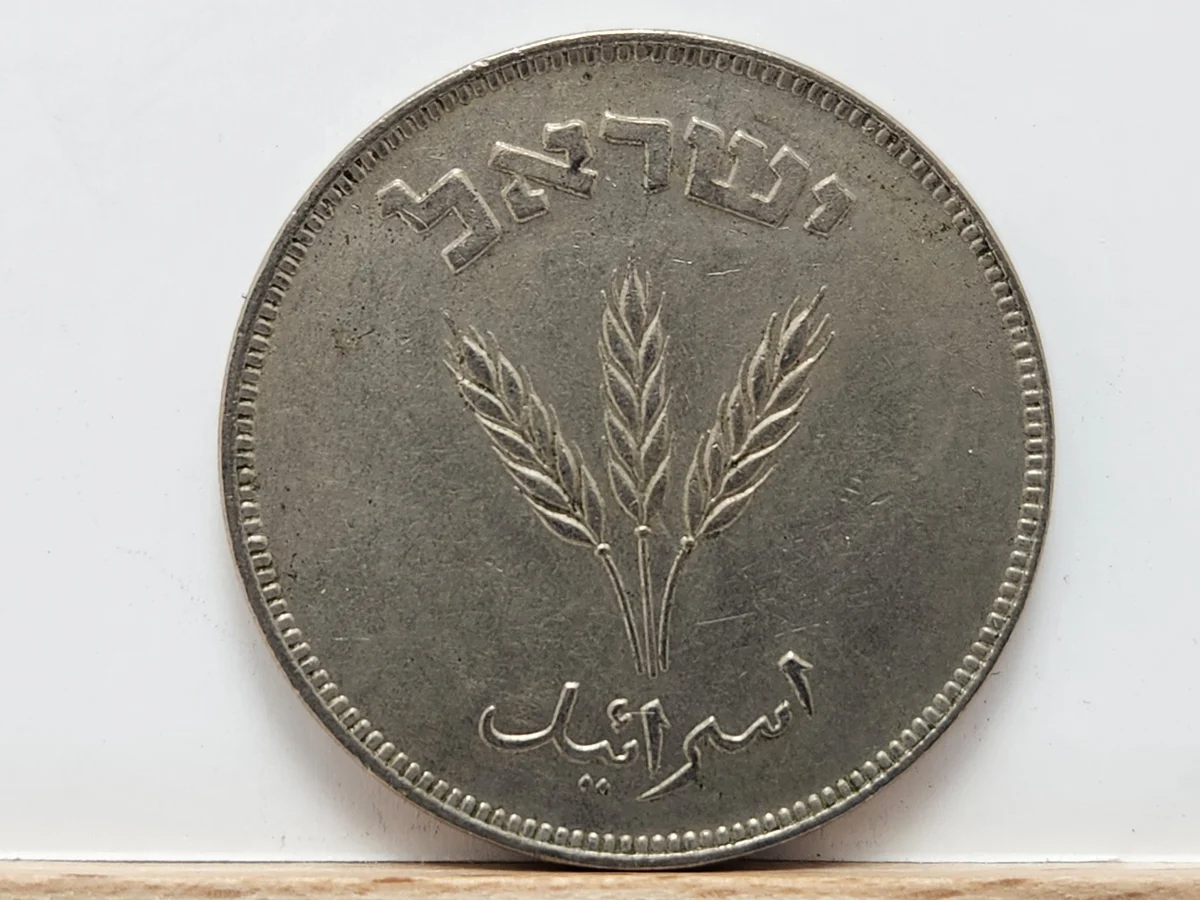 Coins · 1949
Israel 250 prutah, 1949
Three ears of barley, from the first coins of the State of Israel.
- CM-012
- CM-013
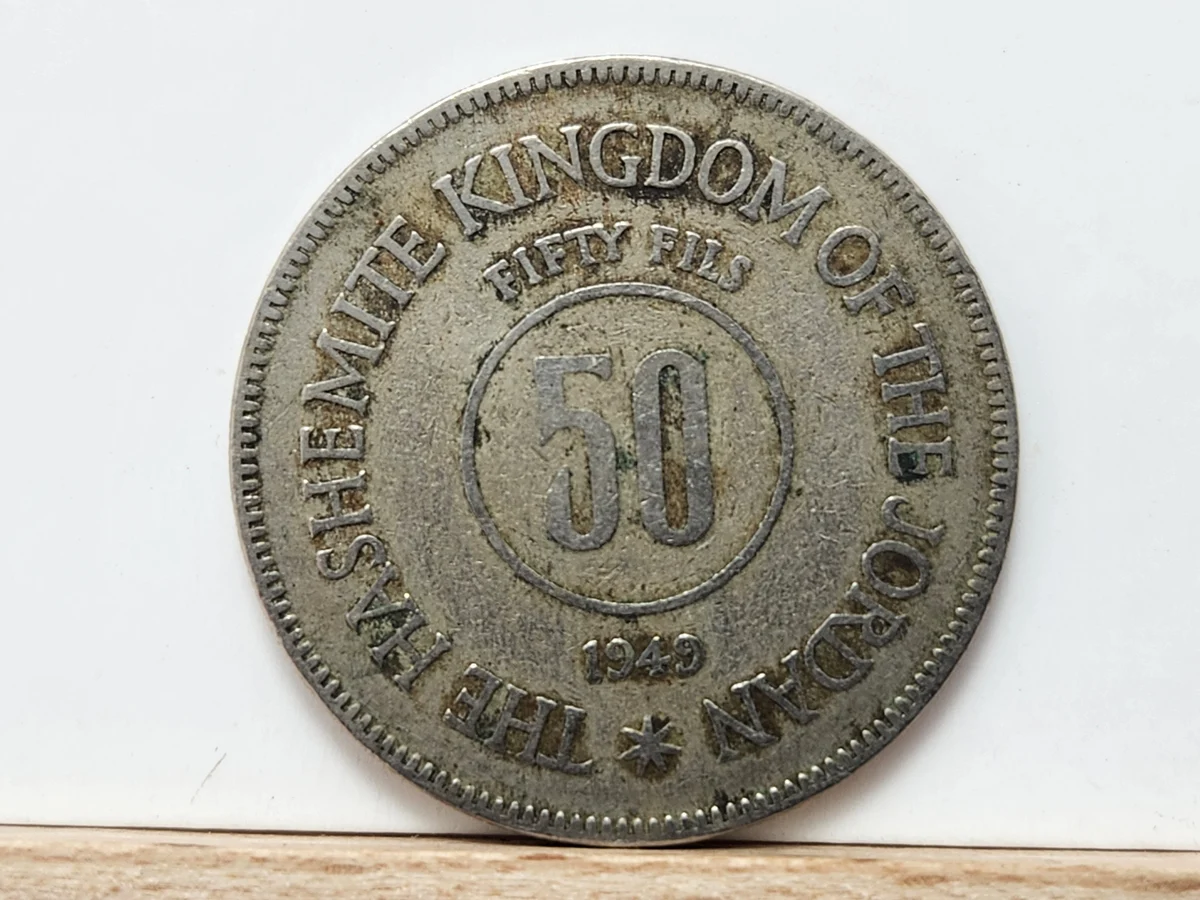 Coins · 1949
Jordan 50 fils, 1949
"The Hashemite Kingdom of the Jordan", from the kingdom's first coin series.
- CM-014
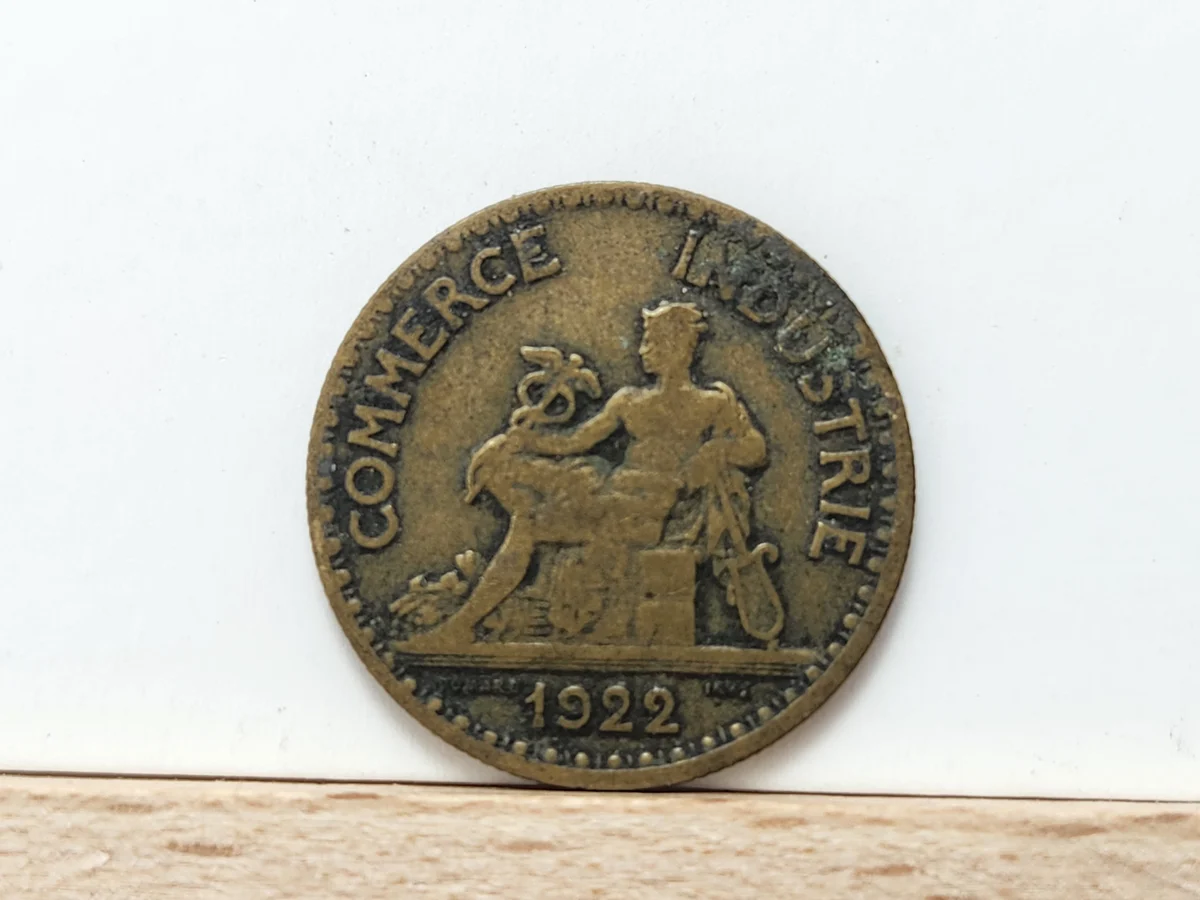 Coins · 1922
France 50 centimes, Chambres de Commerce, 1922
"Bon pour 50 centimes": emergency money from the chambers of commerce.
- CM-015
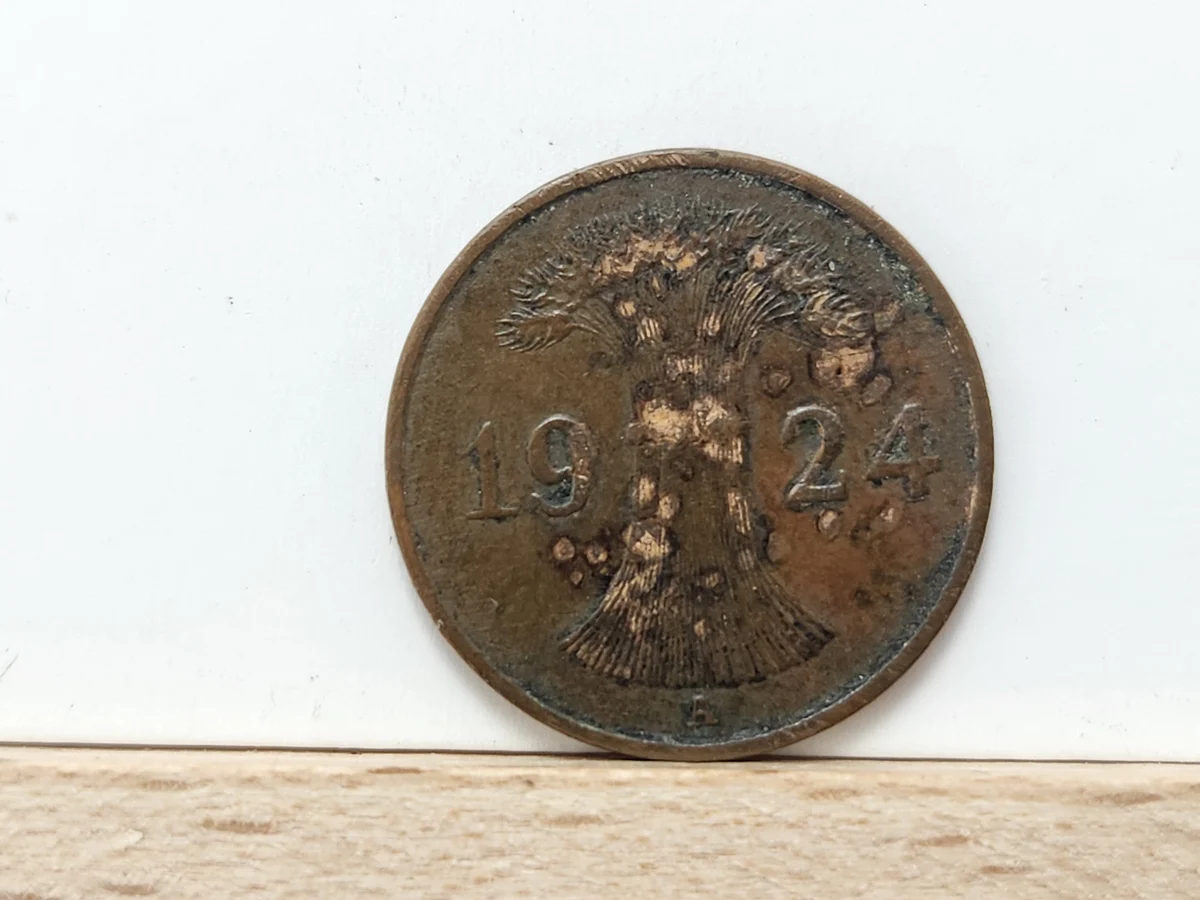 Coins · 1924
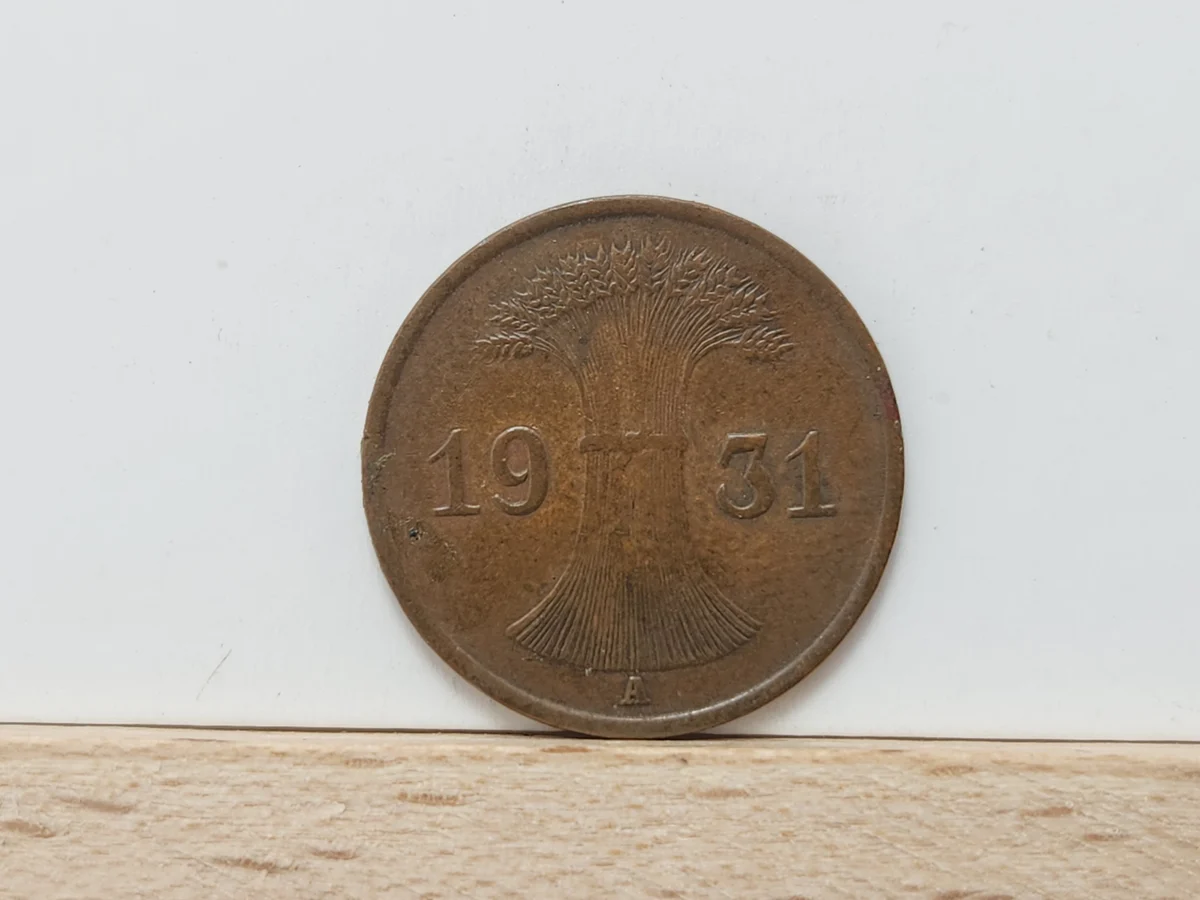
Germany 1 Rentenpfennig, 1924
A sheaf of wheat: the coin that ended German hyperinflation.
- CM-016
- CM-017
- CM-018
 Coins · 1977
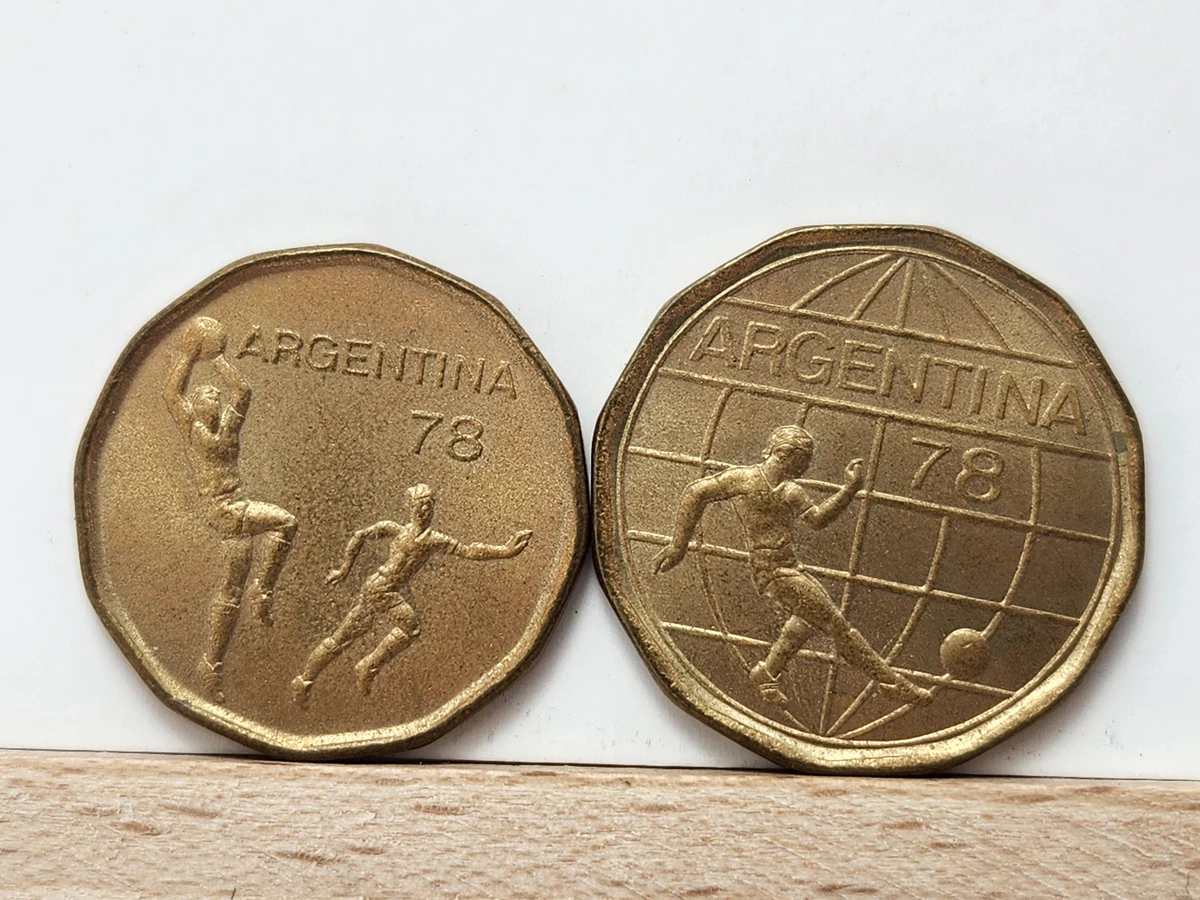
Argentina 20 and 50 pesos, World Cup 1978
Two coins struck for the 1978 FIFA World Cup in Argentina.
- CM-019
- CM-020
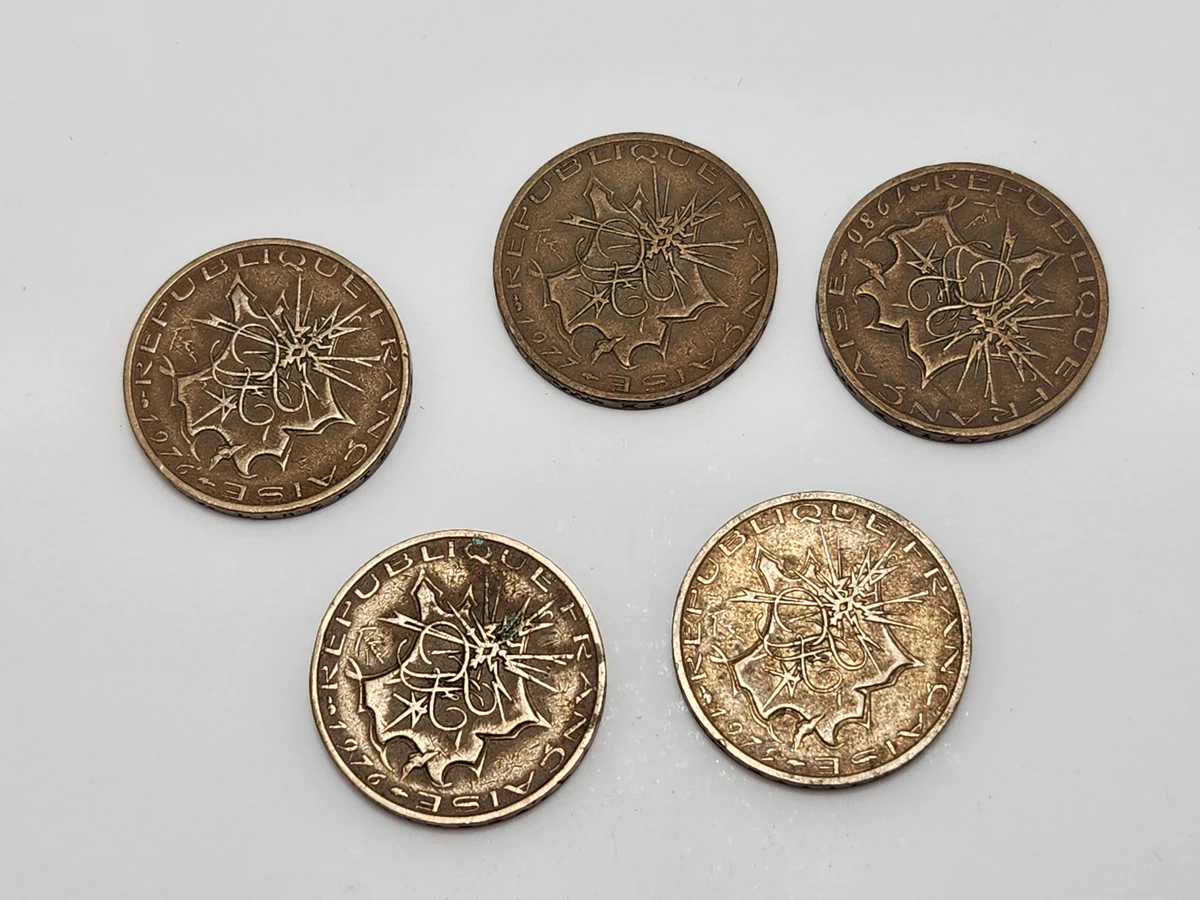 Coins · 1974–1987
France 10 francs (Mathieu design), eleven coins
Georges Mathieu's abstract map of France, and a modern skyline on the reverse.
- CM-021
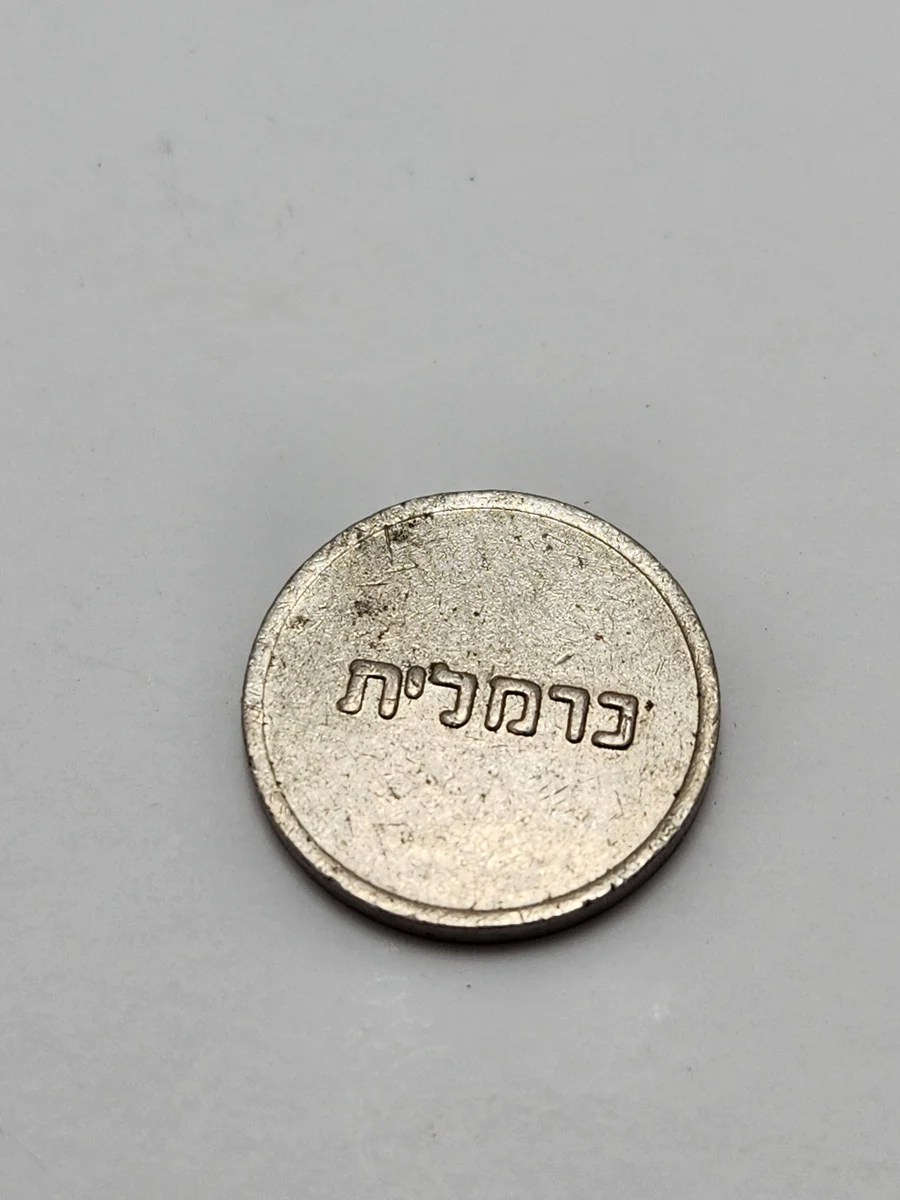 Tokens & medals
Carmelit subway token, Haifa
"Carmelit" on one side, "Haifa Municipality" on the other.
- CM-022
- CM-023
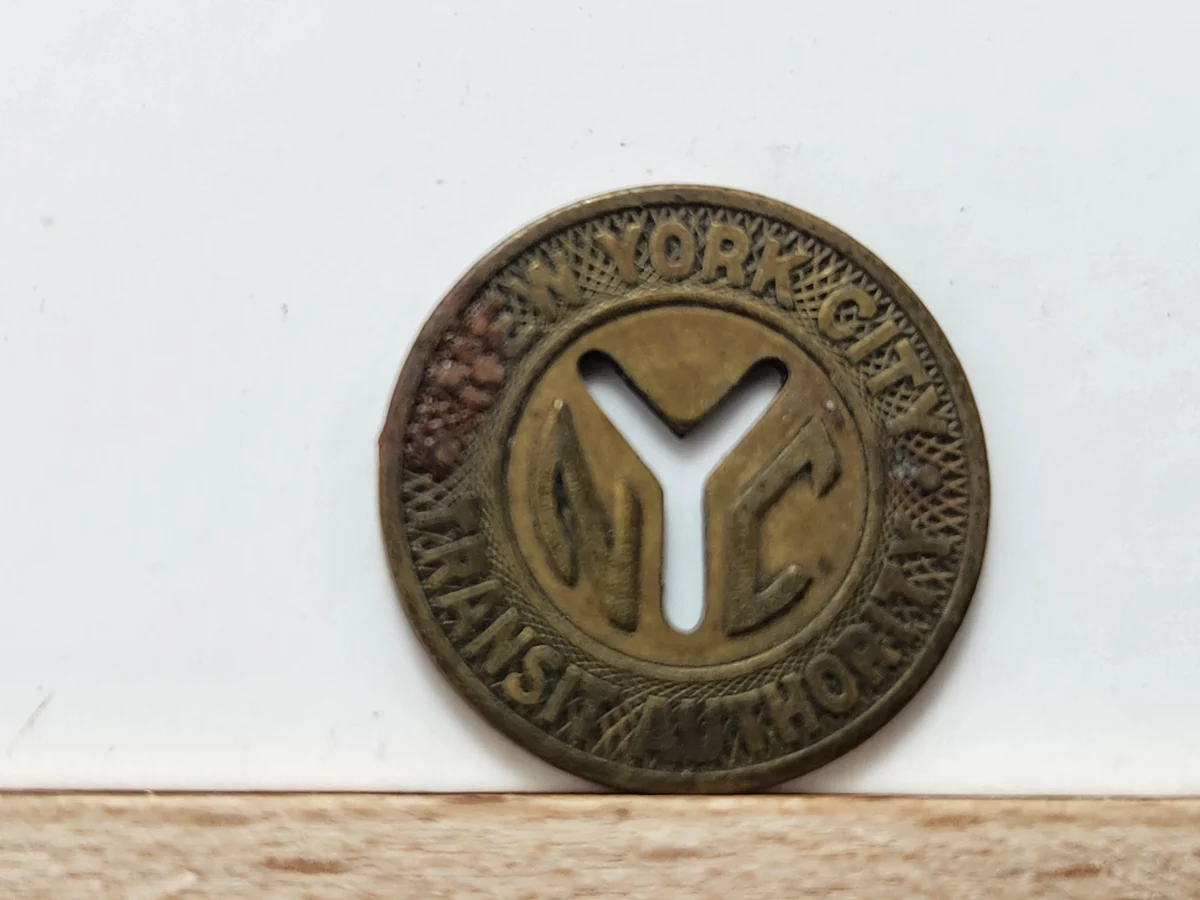 Tokens & medals
New York City subway tokens, two
The famous "Y" cut-out tokens of the New York City Transit Authority.
- CM-024
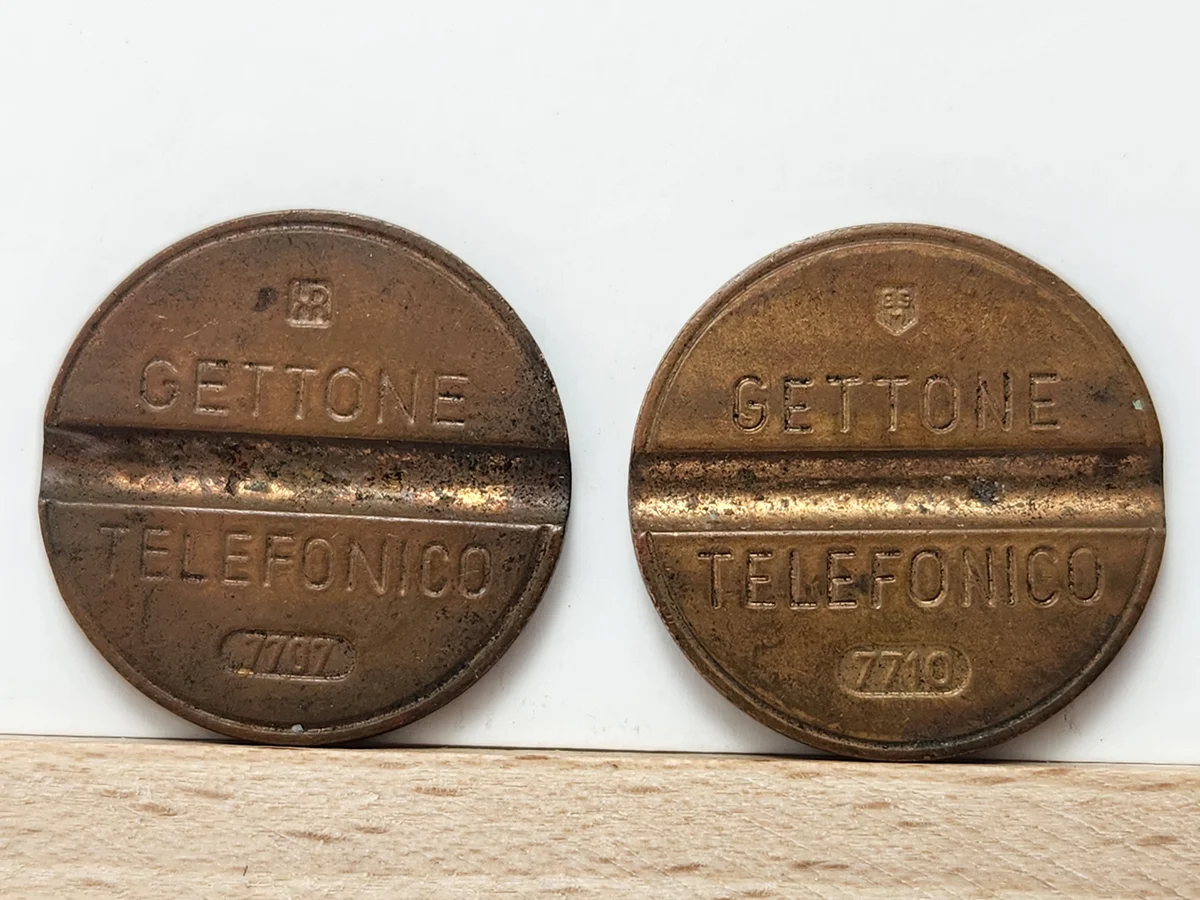 Tokens & medals · 1977
Italian telephone tokens (gettoni), two
"Gettone telefonico", with the grooves that let the payphone recognise them.
- CM-025
- CM-026
About the collector
Eli started with a jar of his grandfather's coins from Budapest and never stopped. He looks for pieces that tell the story of the borders that moved around them.